$275M 7-Tanker Deal Uncovered: Skyrocketing Freight Rates & The Hidden Risks of Secondhand Tanker Investment in 2026
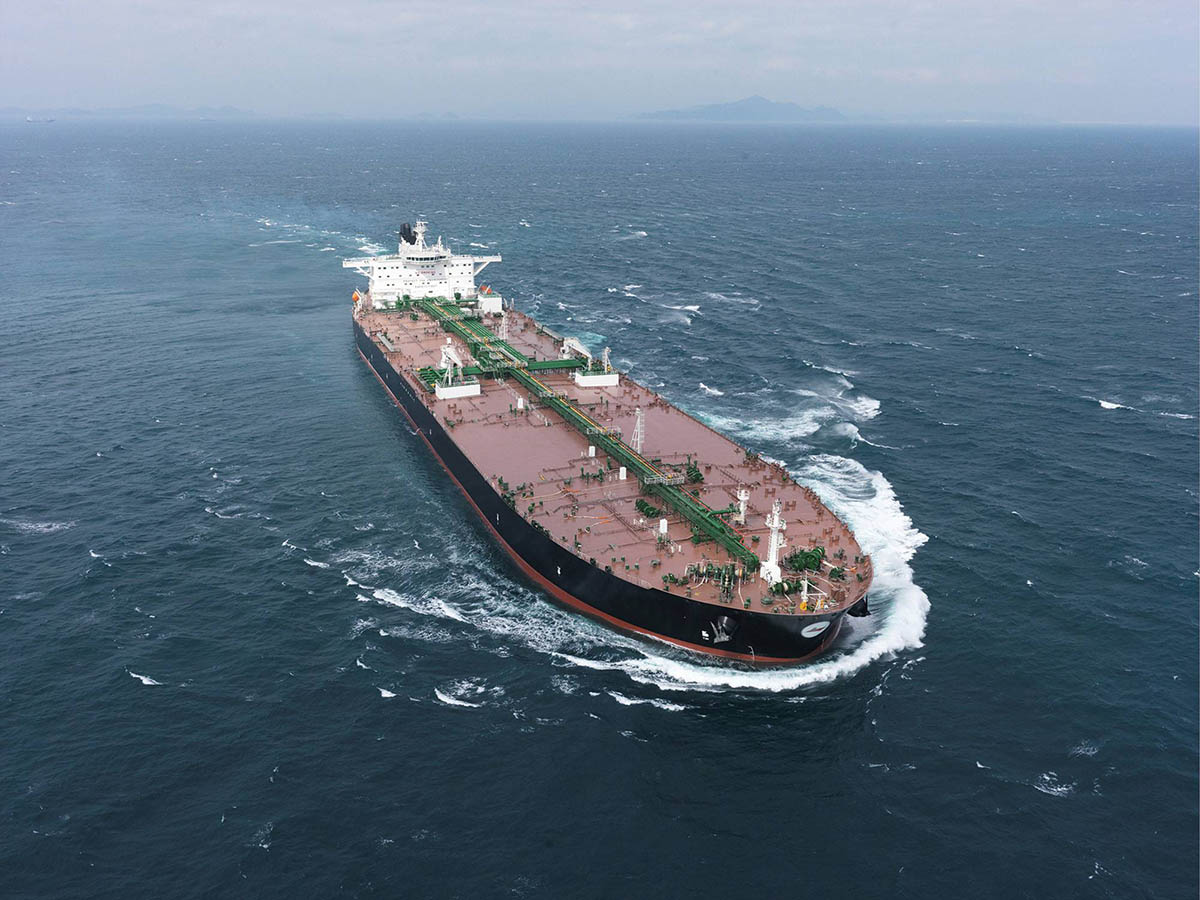
The global tanker market has experienced significant volatility in 2026, with freight rates reaching exceptional levels on several major routes and geopolitical disruptions reshaping international oil transportation. As shipping companies adjust their trading patterns and seek reliable transportation capacity, existing tankers have become increasingly attractive in certain market segments.
Recent transactions also suggest that well-positioned secondhand vessels can retain substantial commercial value, particularly when immediate availability and earning potential are important. However, a strong freight market does not necessarily mean that every tanker represents a good investment. With vessel prices elevated across parts of the market, shipowners and investors face a critical question: Is purchasing a secondhand tanker at today's prices a strategic opportunity, or a potential risk if market conditions change? A major tanker transaction announced in October offers valuable insight into the forces shaping the market.
1. A Seven-Tanker Deal Highlights Strong Secondhand Asset Values
On October 7, 2026, SFL Corporation announced an agreement to sell seven tankers to global commodity trading company Trafigura. The vessels are currently operating under time-charter agreements with Trafigura, which will terminate upon delivery to the buyer.
The transaction includes:
| Vessel Type | Number of Vessels | Year Built |
| LR2 Product Tankers | 4 | 2014–2015 |
| Suezmax Crude Oil Tankers | 3 | 2019 |
| Total | 7 |
According to SFL's official announcement, deliveries are scheduled for the fourth quarter of 2026 and the first quarter of 2027. Although individual vessel prices remain confidential, SFL expects approximately USD 275 million in aggregate net cash proceeds after profit-sharing arrangements and repayment of associated debt.
The company also estimates an aggregate book gain of approximately USD 175 million. Importantly, the USD 275 million figure represents estimated net proceeds rather than the total transaction price.
What Makes This Transaction Significant?
Two aspects of this transaction are particularly noteworthy. First, the vessels are existing assets that have already generated operating income over several years. Second, the buyer is also their current charterer.
As the existing operator, Trafigura may have considerable knowledge of the vessels' operational performance, maintenance requirements, and commercial potential. This highlights an important characteristic of secondhand vessel investment: A tanker's value is determined not only by its age and technical specifications, but also by its earning potential and position within the wider shipping market.
-
For shipowners, the transaction demonstrates how favorable market conditions can create opportunities to realize asset value.
-
For buyers, however, the challenge remains determining whether current valuations can be justified by future operating performance.
2. Why Have Tanker Freight Rates Surged in 2026?
One of the key factors supporting tanker asset values is the strength of the freight market. When freight rates increase, vessel owners can potentially generate higher operating earnings. At the same time, buyers may become more willing to pay a premium for vessels that can enter service without lengthy construction delays.
In October 2026, geopolitical developments have intensified these market dynamics. According to Reuters on October 9, the cost of chartering a Very Large Crude Carrier (VLCC) to transport approximately two million barrels of U.S. crude oil from the Gulf of Mexico to China reached around USD 80 million.
The report also indicated that freight costs on the routes examined had increased by more than 300% since mid-August, significantly affecting the economics of long-distance crude oil transportation. Several factors help explain these developments.
-
Longer Routes and Reduced Fleet Efficiency
Geopolitical disruptions can force vessels to change their trading routes, spend additional time waiting for cargo, or operate through less efficient transportation arrangements. When vessel utilization becomes less efficient, freight rates may rise as charterers compete for suitable capacity.
-
Immediate Vessel Availability Becomes More Valuable
Shipowners seeking additional capacity generally face two options: purchasing an existing vessel or ordering a newbuilding. By comparison, an existing vessel may be available for commercial operation much sooner. As a result, secondhand vessels with suitable specifications and relatively prompt delivery may become particularly attractive.
-
Geopolitical Uncertainty Is Changing Trading Patterns
Disruptions affecting strategic maritime routes, including the Strait of Hormuz, have influenced global oil transportation and vessel deployment. However, these effects are not uniform across the industry. A VLCC operating on major international crude oil routes serves a different commercial market from a smaller product tanker engaged in regional transportation. Therefore, strong international freight rates should not automatically be interpreted as evidence of rising demand across every tanker segment.

3. Are Higher Freight Rates Driving Secondhand Tanker Prices Up?
Freight earnings and secondhand vessel values are closely connected. When vessels generate stronger operating income, their potential future cash flows may become more attractive to investors. Meanwhile, existing shipowners may be less willing to sell assets that are performing well commercially.
This combination of stronger purchasing interest and reduced selling incentives can support secondhand prices.
However, the relationship between freight earnings and asset values is not permanent.
Short-Term Earnings vs. Long-Term Investment Value
Buying a tanker is rarely a decision based on a single year of freight income. For many shipowners, a vessel represents an asset intended to operate for several years or longer. Therefore, its purchase price must reflect expectations for future freight markets, operating costs, maintenance requirements, and eventual resale value. A vessel acquired during a strong market may deliver attractive short-term returns. The key lesson is that a strong tanker market may support higher asset values, but each vessel must still be evaluated within its own commercial segment.
4. Newbuilding vs. Secondhand Tankers: Which Offers Better Value?
As secondhand tanker prices rise, some buyers may reconsider whether purchasing an existing vessel remains more attractive than ordering a newbuilding.
The answer depends largely on the investor's operational requirements, delivery schedule, financial capacity, and long-term strategy.
| Consideration | Secondhand Tanker | Newbuilding Tanker |
| Delivery Time | Potentially available sooner | Subject to construction schedule |
| Initial Investment | Depends on age and market conditions | Depends on shipyard quotation |
| Fuel Efficiency | Varies by design and condition | May benefit from modern technology |
| Technical Specifications | Limited by existing design | Greater customization flexibility |
| Maintenance Requirements | May involve earlier major repairs | Generally lower initial maintenance burden |
| Market Entry | Can potentially enter service sooner | Market conditions may change before delivery |
| Remaining Economic Life | Generally shorter | Generally longer |
-
The Advantage of Immediate Availability
For buyers seeking to increase capacity quickly, secondhand vessels offer an important advantage.
An existing ship can potentially begin generating revenue sooner than a newbuilding.
When freight earnings are strong, this difference in delivery timing can be commercially significant.
-
The Long-Term Benefits of Newbuildings
Newbuilding tankers may offer improved fuel efficiency, modern machinery, and greater flexibility in technical specifications.
However, higher initial capital requirements and uncertain future freight conditions must also be considered.
5. What Should Tanker Investors Watch in Q4 2026?
As the final quarter of 2026 progresses, several developments could influence tanker freight markets and secondhand vessel values.
-
The Sustainability of High Freight Rates
Current freight market conditions have created substantial opportunities for certain tanker operators. However, geopolitical developments, changing oil trade flows, and shifts in vessel availability could lead to further volatility.
-
Future Newbuilding Deliveries
Newbuilding orders placed during previous market cycles will gradually add capacity to the global tanker fleet. Monitoring both fleet supply and effective transportation demand will remain important.
-
The Growing Importance of Vessel Quality
Even during periods of strong freight earnings, not all tankers offer the same commercial value. As market conditions change, differences in vessel quality may become increasingly important to both buyers and operators.

Conclusion: A Strong Market Requires Disciplined Investment Decisions
Recent tanker transactions demonstrate the significant commercial value that existing vessels can retain during periods of strong freight demand. The sale of seven tankers by SFL Corporation to Trafigura illustrates how established operators can benefit from favorable asset valuations while creating opportunities for portfolio restructuring.
At the same time, exceptionally high freight rates and geopolitical disruptions have introduced additional uncertainty into the market.
VesselsLink Is Your Full-Cycle Partner
We provide professional services for your diverse needs:
-
Custom new ship construction
-
Compliance retrofitting for existing fleets
-
Cost-effective second-hand vessel trading
Get access to first-hand industrial resources via our platform, together with transparent quotations, professional project execution and full after-sales support. We offer professional trading assistance and in-depth market insights.
( Key Words: secondhand tankers, tanker freight rates, global tanker market 2026, tanker investment, SFL Trafigura tanker deal, LR2 product tanker, Suezmax crude tanker, tanker secondhand asset value, newbuild vs secondhand tanker, VLCC freight rate, oil shipping geopolitical risk, tanker market Q4 2026)