US-China Shipping at a Turning Point? Record Cargo Volumes and a New Port Fee Proposal
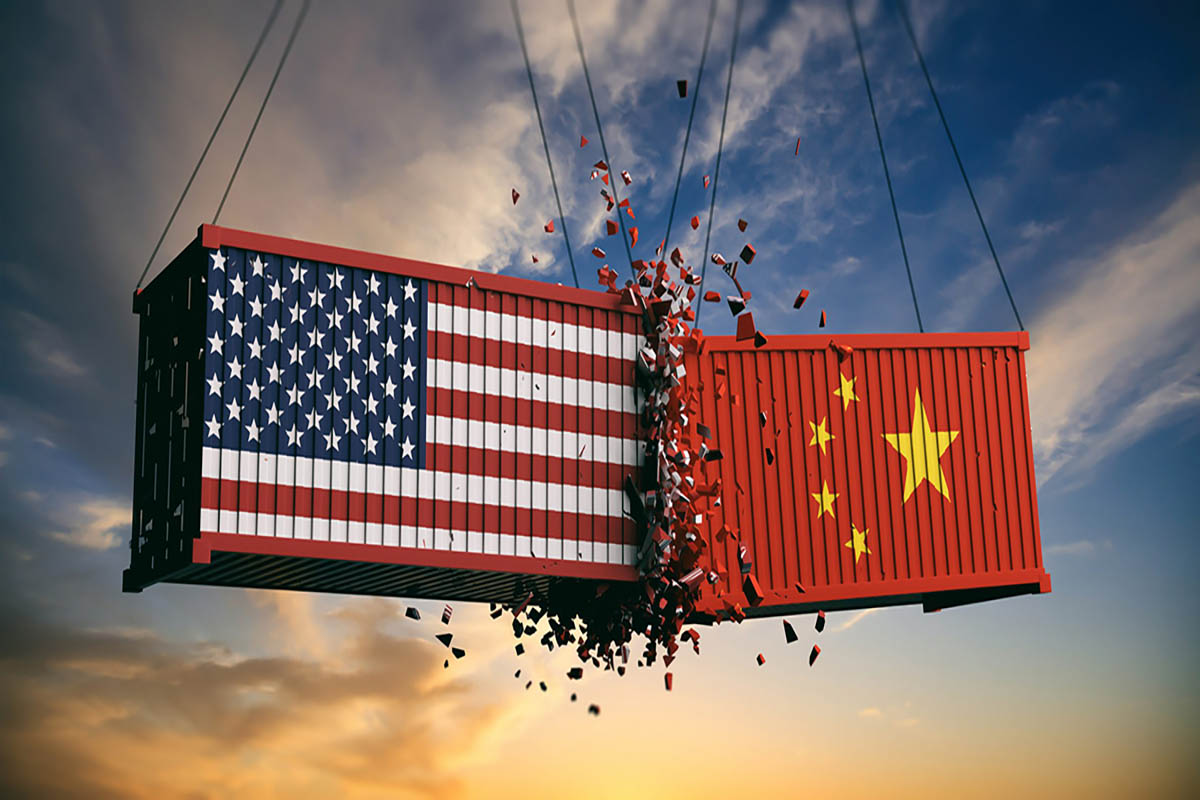
Trade tensions remain high between China and the United States. Yet the latest shipping developments tell a more complex story. From record container volumes and continued international business engagement to proposed changes in US maritime policy, recent events suggest that commercial ties remain active despite ongoing disputes.
Is US-China shipping entering a more stable period, or is the industry simply adapting to continued uncertainty?
1. Trade Tensions Remain, but Shipping Continues
Despite ongoing trade tensions between the United States and China, recent shipping data suggests that commercial activity between the world's two largest economies remains significant.

In September 2026, US container imports from China reached 924,454 TEUs, up 21.2% year-on-year, according to Descartes' October Global Shipping Report.
Meanwhile, the Port of Los Angeles handled 1.04 million TEUs in September, setting a new monthly cargo record in its 118-year history. These figures highlight a striking contrast: while uncertainty surrounding tariffs and trade policy continues, physical cargo movements remain substantial.
With new developments in US maritime policy and international business activity, an important question is emerging: Are US-China trade relations entering a more stable period, or are businesses simply learning to operate amid continued uncertainty?
2. Real Trade, Real Business: Commercial Connections Remain Active
Shipping volumes offer one of the clearest indicators of actual trade activity. According to Descartes, China accounted for approximately 36.3% of total US containerized imports in September 2026. Major product categories included plastics, furniture, toys, machinery, and electrical equipment. At the Port of Los Angeles, September's record throughput also contributed to the busiest quarter in the port's history, with nearly 3 million TEUs handled between July and September. These figures demonstrate the continued importance of trans-Pacific maritime trade.
Beyond cargo statistics, international business connections remain active. Major US trade exhibitions, including SEMA Show (November 3–6) and AAPEX (November 3–5) in Las Vegas, continue to bring international manufacturers, suppliers, and buyers together.
Recent industry developments offer concrete examples. Automotive supplier AISIN has announced a new aftermarket product line for AAPEX 2026, supported by a pilot program involving a China-based supply chain partner. Meanwhile, Chinese supplier Ningbo Motor Industrial Co., Ltd. is among the companies preparing to exhibit at AAPEX.
These activities illustrate how international businesses continue to develop commercial relationships and supply chain partnerships despite trade uncertainty. However, participation in trade shows does not necessarily indicate immediate growth in shipping volumes or import orders.
3. A Possible Policy Shift: The Latest US-China Shipping Fee Proposal
Recent developments in US maritime policy have added another dimension to the discussion. On October 26, 2026, the Office of the United States Trade Representative (USTR) published a proposal to extend the suspension of certain Section 301 measures targeting China's maritime, logistics, and shipbuilding sectors.
The current suspension is scheduled to expire on November 9, 2026. Under the new proposal, the relevant measures would remain suspended for an additional two months, from November 10, 2026, through January 9, 2027. The USTR stated that the proposed extension is intended to allow further negotiations with China. Public comments are being accepted through October 30.
For global shipping companies, this development is particularly relevant because the measures include fees affecting certain maritime transport services associated with Chinese-built, Chinese-owned, or Chinese-operated vessels. An extended suspension could provide temporary cost certainty for affected operators calling at US ports.
Nevertheless, the proposal has not yet been finalized, and the underlying trade disagreements remain unresolved.
Rather than signaling a definitive end to maritime trade tensions, the proposed extension may be better understood as a temporary window for continued negotiations and operational planning.

An aerial view of a Cosco Shipping container ship loaded with shipping containers at the Port of Long Beach. Mario Tama via Getty Images
4. Looking Ahead: Cooperation, Competition, and Uncertainty
Recent developments present a complex picture of US-China maritime relations. Container trade remains substantial. International business exhibitions continue to create opportunities for suppliers and buyers. At the same time, policymakers are discussing temporary adjustments to shipping-related trade measures.
Together, these developments suggest that commercial connections remain important, even as competition and regulatory uncertainty persist. For the maritime industry, the next key developments to watch include the final decision on the proposed Section 301 suspension, the direction of US-China trade negotiations, and whether recent container import growth continues in the months ahead.
For global shipowners and vessel investors, the most important takeaway is not that trade tensions have disappeared, but that shipping markets continue to evolve around them.
VesselsLink - Linking Vessels to Their Next Owners.
We provide professional services for your diverse needs:
-
Custom new ship construction
-
Compliance retrofitting for existing fleets
-
Cost-effective second-hand vessel trading
Get access to first-hand industrial resources via our platform, together with transparent quotations, professional project execution and full after-sales support. We offer professional trading assistance and in-depth market insights.
( Key Words: US-China shipping trade, US-China trade tensions, trans-Pacific maritime trade, secondhand vessel market, USTR, Section 301 measures, maritime policy, China-linked vessel fees, suspension of tariffs, public comment, Port of Los Angeles, Port of Long Beach,container imports,TEU,container volumes,cargo throughput,Descartes shipping report, Cosco Shipping, shipowners, vessel investors, Chinese-built vessels, maritime transport services, shipbuilding sector, logistics, supply chain, AAPEX, SEMA Show, trade exhibitions, aftermarket product line, shipping uncertainty, fleet deployment, vessel investment, maritime trade, commercial ties)