China's Export Boom Faces Global Pushback — What Will Happen at G20 2026?
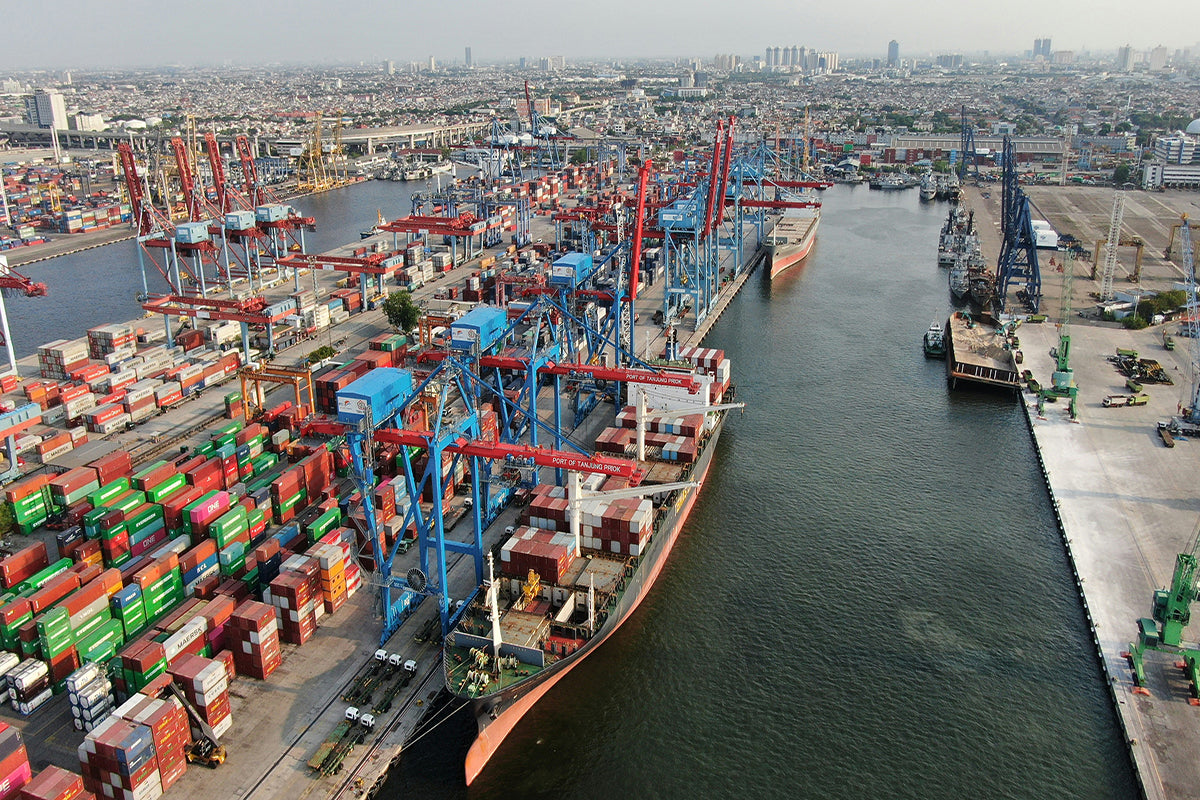
China remains a major supplier to global markets. Yet growing trade restrictions and concerns over industrial overcapacity are raising new questions for international buyers, cargo owners and shipping companies. As the G20 Leaders' Summit approaches in December, could these tensions reshape global trade and shipping routes?
1. Why Are Chinese Exports Facing More Resistance?
At the G20 Trade Ministers' Meeting in October 2026, major economies raised concerns about industrial overcapacity and international trade imbalances. Shortly afterward, the United States and 14 other economies issued a separate statement calling for action on structural excess capacity. India, Japan, South Korea and several European economies were among the signatories.
However, this was not a G20-wide agreement to restrict Chinese exports. Countries continue to have different interests, policies and levels of trade cooperation with China.
The debate reflects a growing challenge: how can governments protect domestic industries without disrupting the international supply chains they depend on?
2. Which Industries and Buyers Could Be Affected?
Some trade restrictions are already in place.
-
Electric vehicles: The European Union has imposed additional duties on certain battery-electric vehicles manufactured in China, affecting import costs and sourcing decisions.
-
Steel: Brazil introduced anti-dumping duties on specified steel products from China and India, increasing costs for affected importers.
-
Batteries, solar products and electronics: These industries face increasing policy scrutiny, although not every product is subject to new restrictions.
For overseas buyers, the main concern is not simply the factory price. Tariffs, customs rules, country-of-origin requirements and freight costs can all affect the final delivered price. Businesses may therefore need to review suppliers, purchasing arrangements and transportation plans.

3. From BRICS to G20: Cooperation and Competition
Recent BRICS discussions emphasized stronger economic cooperation and resilient supply chains. Yet member countries do not always share the same trade priorities.
India supported the October statement on industrial overcapacity, while Brazil and Russia did not sign it.
This reflects an important reality: countries can maintain strong commercial ties with China while protecting their own manufacturing industries.
The upcoming G20 Summit will provide another opportunity to discuss these competing interests, although the outcomes remain uncertain.
4. What Could This Mean for Global Shipping?
Changing trade policies may affect more than import prices. They could also influence where goods are produced and shipped.
-
Container shipping: Changes in machinery, electronics and manufactured-goods sourcing may reshape cargo flows.
-
Car carriers: Vehicle tariffs and overseas production could influence automobile shipping routes.
-
Dry bulk shipping: Steel trade restrictions may affect selected cargo flows, while iron ore and agricultural trade remain important.
Importantly, trade barriers do not always eliminate shipping demand. Some cargo may simply move through different supply chains or markets. For shipowners and vessel buyers, understanding changing trade routes and operating costs will be increasingly important.

5. Looking Ahead: G20 2026
The G20 Leaders' Summit is scheduled for December 14–15 in Miami. Businesses should watch for developments involving tariffs, market access, industrial policies and supply-chain cooperation.
Whether these discussions lead to concrete agreements remains uncertain.
For international buyers and shipping companies, the real question is not whether global trade will stop — but how to adapt as its rules and routes continue to change.
VesselsLink - Linking Vessels to Their Next Owners.
We provide professional services for your diverse needs:
-
Custom new ship construction
-
Compliance retrofitting for existing fleets
-
Cost-effective second-hand vessel trading
Get access to first-hand industrial resources via our platform, together with transparent quotations, professional project execution and full after-sales support. We offer professional trading assistance and in-depth market insights.
( Key Words: G20 2026, China exports, trade barriers, international trade, China tariffs, anti-dumping duties, global shipping, cargo owners, international buyers, container shipping, car carriers, maritime trade, BRICS, supply chain risks, vessel investment)