2025 U.S. Tanker Seizure Storm: 6 VLCCs Sanctioned, 30 Tankers at High Risk, Caribbean Plunged into Turmoil
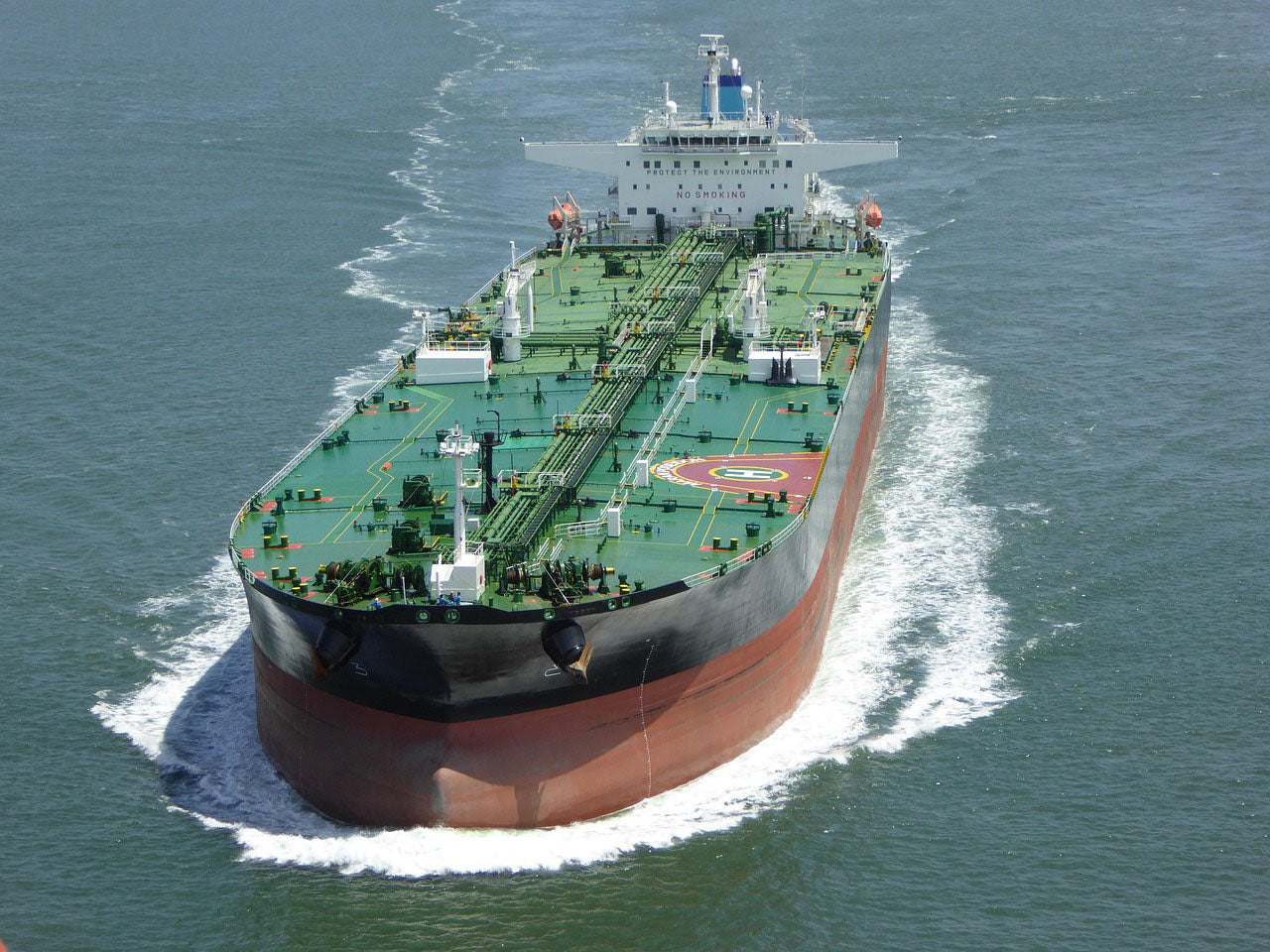
In December 2025, the United States escalated its sanctions against Venezuela from "unilateral pressure" to "armed vessel seizure + mass sanctions." A Very Large Crude Carrier (VLCC) was forcibly detained by U.S. forces in the Caribbean Sea, followed by 6 major VLCCs being added to the sanctions list. Additionally, more than 30 other tankers were reported to have entered the "target list for crackdowns." This sanctions storm not only pressured Venezuela’s vital oil export lifeline but also dragged the global shipping industry into a "compliance panic," catapulting the Caribbean Sea into a high-risk zone for international shipping.
I. Core of the Incident: From Single Vessel Seizure to Mass Sanctions, U.S. Moves to "Cut Off Oil Supplies"
-
U.S. Military’s Armed Seizure: 310,000 DWT VLCC Becomes "Largest Seizure Target in History"
On December 10 (local time), U.S. forces launched a raid in international waters near Venezuela (northeast of Trinidad and Tobago) — armed personnel rappelled from helicopters to seize control of the 310,000 DWT VLCC Skipper (IMO Number: 9304667). According to U.S. disclosures, the vessel was carrying 1.85 million barrels of Venezuela’s Merey Heavy Crude, originally destined for Cuba. Having already been sanctioned in 2022 for "ties to Iran’s Islamic Revolutionary Guard Corps (IRGC)," the ship was further accused of "participating in an illegal oil transport network supporting terrorist organizations."
Following the incident, the White House confirmed plans to tow the Skipper to the Port of Houston and confiscate the oil on board (valued at approximately $78 million) through judicial proceedings. U.S. Secretary of Homeland Security Norm explicitly called it a "successful operation" directed by President Trump, while White House officials further revealed that "more tanker seizures will follow."

This screengrab taken from a video posted by Attorney General Pam Bondi on December shows US forces seizing an oil tanker off the coast of Venezuela.(Pam Bondi/X)
-
Expansion of Sanctions List: 6 VLCCs "Precisely Targeted," Offshore Operation Model Fails
Just one day later (December 11), the U.S. Department of the Treasury updated its sanctions list, adding 6 VLCCs and their affiliated companies in one fell swoop. These vessels are the mainstay of Venezuela’s crude oil export fleet, with deadweight tonnages ranging from 298,000 to 319,000 DWT, built between 2002 and 2007, registered in offshore regions such as the Marshall Islands and the British Virgin Islands, and operated by "single-vessel companies" (e.g., Myra Marine, Poweroy Investment). Despite their typical "gray fleet" configuration, they failed to evade sanctions:
-
WHITE CRANE (IMO Number: 9323429);
-
KIARA M (Panamanian-flagged, IMO Number: 9285823);
-
H. CONSTANCE (Panamanian-flagged, IMO Number: 9237773);
-
LATTAFA (Panamanian-flagged, IMO Number: 9245794);
-
TAMIA (Hong Kong-flagged, IMO Number: 9315642);
-
MONIQUE (Cook Islands-flagged, IMO Number: 9311270);
David Goldwyn, a former U.S. State Department official, interpreted the move as a "paving strategy": it deters already-sanctioned shipowners from accepting orders and makes unsanctioned enterprises fear "sudden listing while sailing," thereby cutting off Venezuela’s international crude oil transport links.
II. Shockwaves in the Shipping Industry: Soaring Compliance Costs, Caribbean Becomes "High-Risk Forbidden Zone"
-
Shipowner Panic: 30 Tankers Suspend Sailing, Daily Charter Rates Surge 40%
According to data from TankerTrackers, at the time of the incident, more than 80 tankers were waiting to load crude oil in Venezuelan waters and nearshore areas, among which over 30 had been listed on U.S. sanctions lists and shared highly similar characteristics to the Skipper. As a result, at least 3 VLCCs carrying nearly 6 million barrels of crude oil, originally bound for Asia, urgently suspended sailing and chose to "avoid risks" in waters near Venezuela.
The shipping market fluctuated immediately: the Baltic Dirty Tanker Index (BDTI) soared 5% on December 11, with VLCC daily charter rates rising from $38,000 to $52,000 — the highest increase since April 2020. International insurers drastically tightened their underwriting attitudes toward "Venezuela-related transport," with premiums for hull war risk and cargo insurance rising by 30%-50%. Some insurers even demanded additional "anti-sanction guarantees."
-
Escalating Compliance Pressure: Offshore Structures Fail, Triple Screening Becomes "Mandatory"
The 6 sanctioned VLCCs all adopted the "offshore registration + single-vessel company" model but were still precisely targeted, forcing shipping enterprises to restructure their compliance processes:
-
Daily updates to the OFAC sanctions list and triple verification of "shipowner background, vessel’s past routes, and shipper qualifications";
-
For vessels flying flags of convenience or with historical tracks including Venezuelan ports, additional retention of port call documents, navigation logs, and other evidence to prevent "associated sanctions";
-
The Caribbean route has become a "minefield," with many shipping companies diverting to the east coast of South America, extending one-way voyages by 3 days and increasing costs per voyage by $200,000.
III. International Game: Tough Responses from Venezuela , U.S. Faces "War Allegations"
-
Venezuela: Condemns "Piracy," Seeks International Support
Venezuelan President Nicolás Maduro denounced the U.S. military’s action as an "absolutely criminal act of piracy" in a televised speech, emphasizing that the tanker was in international waters when seized, and the more than 1.9 million barrels of crude oil on board were "national property." The whereabouts of the crew remain unknown. Venezuela’s Ministry of Foreign Affairs issued a communiqué, accusing the United States of "seeking to plunder energy through military means" and calling on the international community to condemn the illegal act.
To counter the impact of sanctions, Venezuela has suspended U.S. immigration repatriation flights, advanced the process of withdrawing from the International Criminal Court, and plans to restart abandoned oil pipelines to transport crude oil by land.

This screengrab taken from a video posted by Attorney General Pam Bondi on December shows US forces seizing an oil tanker off the coast of Venezuela.(Pam Bondi/X)
-
Domestic Divisions in the U.S.: Republican Senators Question "Seizure Equals Declaration of War"
The incident has sparked significant controversy within the United States:
-
Republican Senator Rand Paul stated bluntly, "Seizing someone else’s tanker is an act of war," questioning the government’s practice of "looking for enemies everywhere";
-
Democratic Senator Chris Coons expressed concern that Trump might "sleepwalk the United States into war";
-
The Washington Post pointed out that the U.S. deployed warships under the guise of "anti-narcotics" but failed to provide substantial evidence of Venezuela’s "large-scale drug trafficking," and its real goal may be to "overthrow the Maduro government and control Venezuela’s oil resources."
IV. Future Trends: Sanctions Likely to Persist, Shipping Industry Needs "Long-Term Defense"
Judging from the current situation, the United States may continue to maintain a military presence in the Caribbean Sea in the short term and expand the scope of tanker seizures through the "crackdown list." However, due to international public opinion pressure and domestic election rhythms, the possibility of a full-scale blockade of Venezuela’s crude oil exports is low. For the shipping industry, preparations should be made in three aspects:
-
Diversification of routes: Reduce reliance on traditional Caribbean routes, and assess the costs and risks of alternative routes such as the east coast of South America and African transshipment;
-
Normalization of compliance: Establish a mechanism of "real-time screening + evidence retention + emergency response," with particular attention to daily updates of the OFAC list to avoid associations with sanctioned entities;
-
Risk hedging: Negotiate "phased underwriting" with insurers, or lock in fuel and charter costs through futures tools to reduce the impact of price volatility caused by sanctions.
The U.S. military’s tanker seizure incident is essentially an extension of global geopolitical games into the shipping sector. For the international community, upholding the principle of "freedom of the high seas" and opposing unilateral sanctions have become key issues in safeguarding global energy trade and shipping security.
( Keywords: 2025 US Venezuela tanker sanctions, US military VLCC seizure Caribbean Sea, Skipper tanker detention incident, OFAC shadow fleet sanctions, Venezuelan crude oil shipping risk, BDTI rate surge 2025, Caribbean high-risk shipping zone, tanker compliance screening, offshore single-vessel company risk, global energy shipping security)