2026 Triple Maritime Crisis: Panama Canal Draft Restrictions, Typhoon Bavi & Europe Heatwave Congestion
Global ocean freight networks are facing an unprecedented triple blow from overlapping extreme weather events in July 2026. Three independent climate crises are hitting major trade lanes simultaneously: progressive draft restrictions at the Panama Canal triggered by El Niño drought, Super Typhoon Bavi disrupting East China export hubs, and record summer heatwaves paralyzing core European container terminals.
For importers, exporters, freight forwarders and supply chain managers, overlapping disruptions mean longer transit times, unexpected surcharges, reduced vessel load capacity and higher risk of stockout. This article breaks down each crisis with official latest updates, clarifies cascading logistics impacts, and delivers actionable, low-cost solutions to stabilize your cargo schedule amid volatile maritime conditions.
Crisis 1: Panama Canal Drought – ACP Rolls Out Strict Vessel Draft Limits
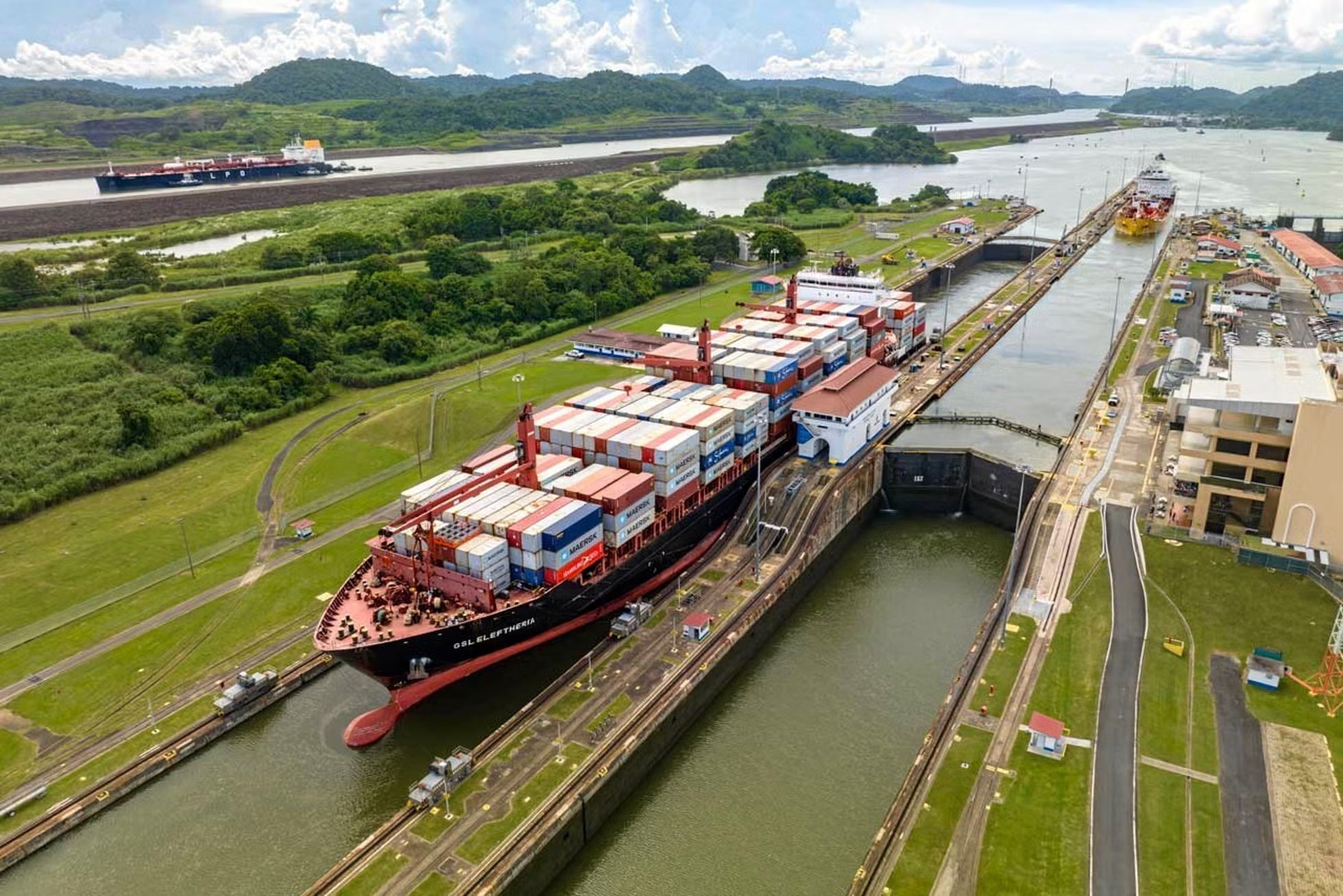
Driven by severe El Niño-induced drought, Gatún Lake (the core freshwater reservoir powering Panama Canal lock systems) keeps losing water reserves, forcing the Panama Canal Authority (ACP) to enforce multi-stage draft reductions for Neopanamax vessels since early July 2026.
Official Restriction Timeline
-
Effective July 3: Max TFW draft cut to 49.5 ft (15.09m)
-
Effective July 24, 2026: Further down to 49.0 ft (14.94m)
-
Effective August 15, 2026: Final tightening to 48.5 ft (14.78m)

This map shows the typical impacts of El Nino to the continental U.S. and Canada during Northern Hemisphere winter. (Image credit: NOAA)
Direct Shipping Impacts
-
Reduced payload capacity: Every 0.5 ft draft cut forces large container ships to unload hundreds of TEUs before transiting; industry data shows each 10cm draft loss removes cargo worth up to $400,000 per single voyage.
-
Longer waiting queues: Daily transit slots are limited, vessels without pre-booked reservations face 3–7 days anchorage delays.
-
Surcharge hikes: All major carriers (Maersk, MSC, CMA CGM) have introduced Panama Canal drought congestion surcharges for US East Coast & Latin America routes.
-
Rerouting cost pressure: Many carriers opt to bypass the canal via Cape Horn, adding 8–12 extra sailing days and extra bunker fuel expenses.
Crisis 2: Super Typhoon Bavi – East China Sea Export Ports Full Suspension
Category 17 Super Typhoon Bavi is approaching Fujian-Zhejiang coastal waters, forecast to make landfall between July 10–12, 2026, with 14–17-level destructive winds and 10+ meter rogue waves across the East China Sea and Taiwan Strait.

Port & Maritime Disruption Details
-
Major export terminal shutdown: Shanghai, Ningbo, Fuzhou, Wenzhou ports will suspend container loading/unloading operations starting July 10; all vessels must evacuate to shelter anchorage.
-
Cut-off time acceleration: All export cargo must complete stuffing, gate-in and customs cut-off before July 9 to avoid missing scheduled vessels.
-
Massive schedule disruption: Asia-Europe, Asia-US trans-Pacific liners will delay departure for 2–5 days; post-typhoon backlog will create port congestion for 1–2 days after landfall.
-
Intra-Asia feeder suspension: Short-sea vessels serving Southeast Asia, Taiwan and Hong Kong will halt navigation during the typhoon window, causing secondary transit delays for transshipment cargo.
Crisis 3: Record European Heatwave Causes Severe Port Congestion
Western Europe logged its hottest June on record in 2026, with July heatwaves pushing temperatures above 37°C across Benelux nations. Extreme heat cripples daily operation efficiency at Europe’s top hub ports: Rotterdam, Antwerp, Hamburg and Bremerhaven.

Above-average heat across much of the country on Thursday is set to spread westwards and northwards
Core Heat-Driven Congestion Causes
-
Terminal operation suspension: Crane, gate and yard equipment overheats, forcing intermittent work pauses to prevent machinery breakdown.
-
Labor shortage & low productivity: High temperatures reduce dock worker efficiency; summer vacation staff shortages worsen throughput limits.
-
Inland transport breakdown: Low Rhine River water levels (heat drought) slash barge capacity, creating container backlogs at port yards. Road truck availability drops sharply due to heat restrictions on heavy vehicles.
-
Cumulative vessel anchorage delays: Vessels wait 5–10 extra days for berthing; storage, detention and demurrage fees rise rapidly for stuck import cargo.
Combined Cross-Lane Supply Chain Impacts
The three overlapping weather crises create compounded risks for global traders, far exceeding single-event disruption:
-
Universal freight cost inflation: Canal surcharges, typhoon emergency fees, European congestion premiums and higher bunker costs push total logistics spend up 12–25% for most shipments.
-
Unpredictable ETA volatility: Trans-Pacific shipments face Panama Canal hold-ups on the destination end plus typhoon departure delays on the origin side; Asia-Europe cargo suffers both typhoon schedule shifts and European port jams.
-
Cash flow pressure: Extended container detention, warehouse storage and emergency rerouting charges generate unbudgeted extra costs.
-
Inventory instability: Retailers, manufacturers and Amazon/FBA sellers face stockout risks due to inconsistent delivery timelines, damaging sales performance and buyer satisfaction.
Practical, Cost-Effective Shipping Mitigation Strategies
1. Americas Route: Optimize Stowage & Reserve Canal Slots Early
-
Strictly follow phased Panama draft standards to adjust loading plans in advance.
-
Avoid last-minute cargo discharge. Arrange off-peak transit and compare Cape Horn alternative costs to control overheads.
2. East Asia Route: Avoid Typhoon Window & Reserve Berths in Advance
-
Complete cargo entry and shipment before July 9 to avoid full-scale port suspension.
-
Reserve post-typhoon priority berth slots to prevent mass cargo backlog and staggered shipment delays.
3. Europe Route: Pre-Clear Cargo & Diversify Discharge Ports
-
Avoid concentrated discharge at Rotterdam and Antwerp. Distribute cargo to alternative European ports.
-
Pre-arrange truck pickup and inland transshipment to relieve river shipping bottlenecks.
4. Contract Risk Upgrading
Add extreme weather surcharge sharing, voyage delay force majeure, and flexible stowage clauses in charter parties and trade contracts to lock cost risks.

A container ship transits the classic panamax locks of the Panama Canal. The canal has restricted transits do to low rainfall.Photo: Panama Canal Authority
Final Logistics Outlook & Long-Term Supply Chain Advice
Meteorological institutions forecast El Niño will sustain low water levels at the Panama Canal through Q4 2026; European summer heatwave risks will persist until late August, while typhoon season in Northwest Pacific remains active until October. Triple overlapping maritime disruptions will not ease in the short term.
To build resilient cross-border supply chains, businesses should abandon single-source, single-lane logistics models. Early booking, diversified routing, advance warehousing and close monitoring of extreme weather alerts are the most reliable ways to control cost and delivery risks amid frequent climate-driven shipping chaos.
If you need customized route planning, real-time port disruption updates or cost comparison for alternative freight solutions, our global logistics team provides end-to-end support for Asia-Europe, Trans-Pacific and Latin America sea freight shipments.
( Keywords: global ocean freight disruption 2026, Panama Canal drought shipping restrictions, Super Typhoon Bavi port disruption, European heatwave port congestion, maritime supply chain crisis, trans-Pacific shipping delay, Asia Europe sea freight disruption, freight risk mitigation solutions, El Niño shipping impact, container logistics volatility)