Multiple Countries Visit China in 2026: Great Opportunities for Maritime & Vessel Cooperation
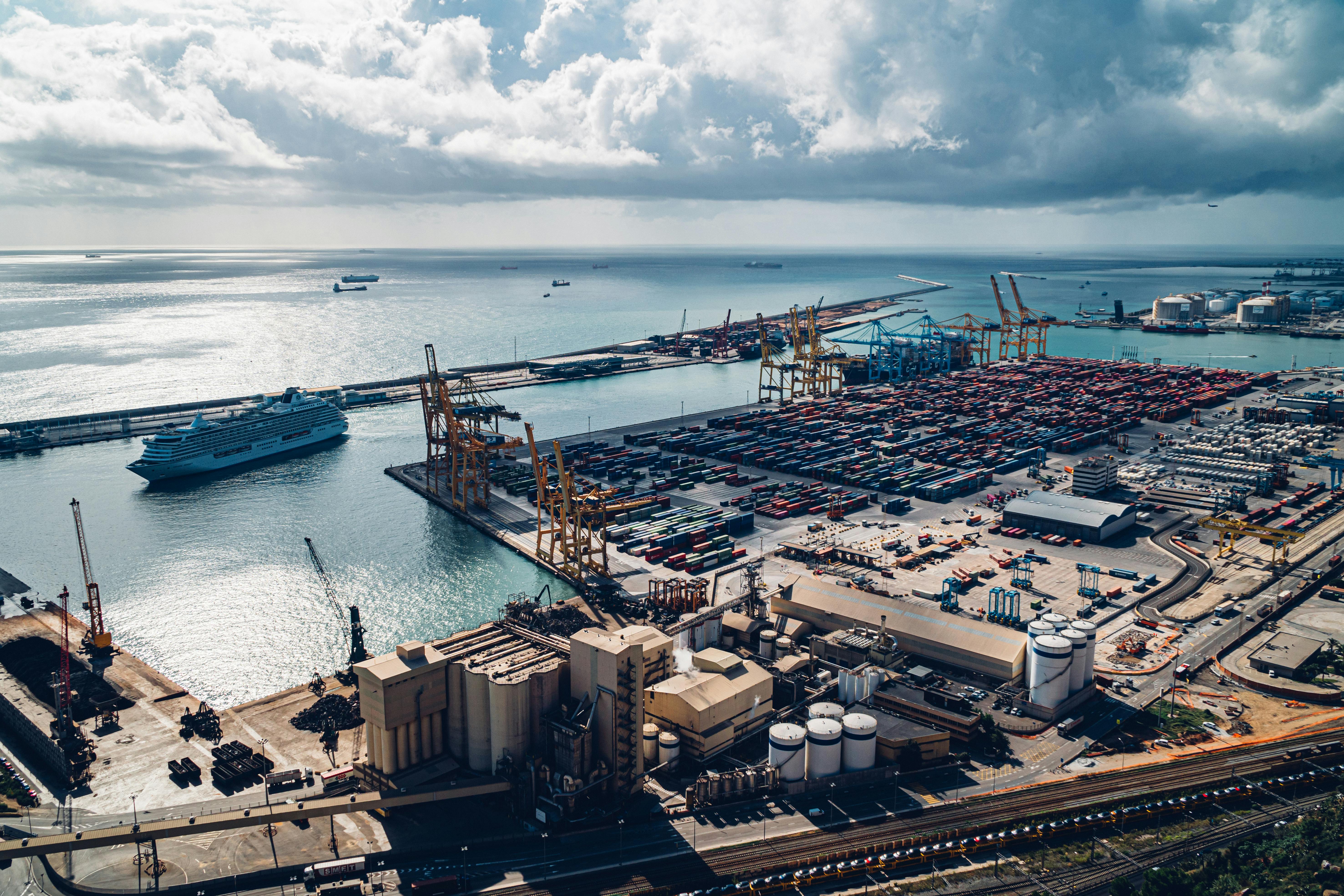
In 2026, China has emerged as the core hub for global maritime cooperation. Senior officials from Russia, Greece, the United Arab Emirates, the United Kingdom, Pakistan, Serbia, Vietnam, Singapore and other countries have paid successive visits to China. These diplomatic exchanges have not only deepened bilateral ties, but also delivered a large number of new ship orders, cross-border vessel transactions, green shipping technology transfers and port logistics upgrades worldwide. For global shipowners, shipyards and logistics practitioners, China’s extensive maritime cooperation in 2026 has created unprecedented opportunities in cost-effective shipbuilding, standardized vessel trading and sustainable shipping solutions.
1. China-Russia Cooperation: Focus on Arctic Shipping & Special Energy Vessels
During the visit of the Russian President from May 20 to 22, 2026, the two countries reached a new milestone in Arctic maritime cooperation. As navigation conditions along Arctic routes continue to improve, China and Russia jointly develop ice-breaking LNG carriers, Arctic bulk carriers and dual-fuel container ships to connect shipping lanes between Northern Europe and East Asia. Key cooperation achievements are as follows:
-
Hudong-Zhonghua Shipyard undertakes the joint development of 174,000 m³ ice-breaking LNG carriers.
-
Upgrade port clusters in Russia’s Far East including Vladivostok and Murmansk, with supporting container terminals constructed by Chinese enterprises.
-
Realize mutual recognition of standards between China Classification Society and Russian Maritime Register of Shipping, greatly cutting vessel inspection costs.
For global shipowners, Arctic routes can cut sailing distance by 30% compared with the Suez Canal. Shipowners can also purchase various cost-effective Arctic-purpose vessels built in China.

2. China-Greece Cooperation: Build a Global Hub for LNG Carriers & Bulk Carrier Trading
During the visit of a high-level Greek delegation in April 2026, Greece, home to the world’s largest shipping tonnage, signed a host of shipbuilding and maritime cooperation agreements. Earlier this year, Cardiff Gas of Greece signed a contract with Hudong-Zhonghua Shipyard under CSSC for the construction of 4+2 units of 174,000 m³ LNG carriers. To date, European shipowners have placed over 45 orders for the "Changheng Series" LNG carriers. The two sides focus on the following areas:
-
Greek shipowners placed bulk orders for more than 20 very large crude carriers and Capesize bulk carriers at multiple shipyards in Jiangsu and Shanghai of China.
-
Establish a China-Greece vessel trading center at the Port of Piraeus to streamline the whole process of vessel sales, chartering and shipping financing.
-
Jointly upgrade the existing Greek fleets with dual-fuel (LNG/marine fuel oil) systems to meet the carbon emission requirements set by the International Maritime Organization for 2030.
In the first quarter of 2026, China secured 84.9% of global new ship orders. Greek shipowners favor Chinese shipyards for the delivery cycle of 12 to 18 months, while the construction cost for vessels of the same specifications is 30% to 40% lower than that of European shipyards with guaranteed quality.
3. China-UAE Cooperation: Co-Develop Luxury Yachts, Offshore Wind Vessels & Smart Ports
During the visit of senior UAE officials in April 2026, the two countries prioritized high-end shipbuilding and smart port development, making the Middle East a key overseas market for China’s special-purpose vessels. Major projects include:
-
Luxury yacht construction: Shipyards in Zhuhai and Xiamen have received orders for customized luxury yachts ranging from 60 to 100 meters.
-
Offshore wind installation vessels: Jointly build 2,000 to 3,000-ton offshore wind installation vessels to serve coastal wind power projects in the UAE.
-
LNG transportation: Sign long-term charter agreements for more than ten Chinese-built LNG carriers to support the export of natural gas from the UAE.
-
Smart port technology export: Deliver a full set of automated container terminal technologies and solutions to Jebel Ali Port in Dubai.
For shipowners and energy enterprises in the Middle East, China provides one-stop solutions covering vessel design, construction, crew training and after-sales maintenance, including luxury yachts, offshore engineering vessels and energy transport ships.
4. China-UK Cooperation: Advance Green Shipping & Vessel Emission Reduction Technologies
During the visit of the British Prime Minister from January 28 to 30, 2026, bilateral cooperation centered on the low-carbon transformation of shipping. British environmental technology enterprises have forged in-depth partnerships with major Chinese shipyards to promote energy-saving and zero-carbon marine technologies:
-
Air lubrication systems: UK-based Silverstream has cooperated with 13 leading Chinese shipyards to install air lubrication equipment on new and in-service vessels, reducing fuel consumption by 8% to 10%.
-
Desulfurization and carbon capture equipment: Jointly develop ship-mounted carbon capture systems to help vessels comply with the EU Carbon Border Adjustment Mechanism.
-
Ammonia and hydrogen-fueled vessels: Collaborate on the design of 5,000 to 10,000 TEU ammonia-powered container ships, scheduled for delivery in 2028.
As the International Maritime Organization tightens vessel emission regulations, the China-UK cooperation on green shipping technologies delivers cost-effective and scalable emission reduction solutions for global fleets.
5. China-Pakistan Cooperation: Upgrade Port Infrastructure & Build Special Operating Vessels
During the visit from May 23 to 26, 2026, the two countries focused on the upgrading of the China-Pakistan Economic Corridor 2.0, advancing the operation and expansion of Gwadar Port and supporting regional shipping development:
-
Expand container and bulk cargo terminals at Gwadar Port to improve cargo handling efficiency.
-
Build customized fishing trawlers, harbor tugs and pilot boats and other special-purpose vessels.
-
Construct supporting ship repair yards to serve vessels navigating across the Arabian Sea.
These projects further improve regional shipping facilities and underpin trade development along the routes.

6. China-Serbia Cooperation: Develop Inland Waterway Shipping & Eco-Friendly Inland Vessels
During the visit from May 24 to 26, 2026, the two countries carried out in-depth cooperation on the China-Europe Land-Sea Expressway and the Danube River shipping system, focusing on inland shipbuilding and port modernization:
-
Jointly develop and build bulk carriers and container ships for the Danube-Black Sea routes.
-
Develop LNG-powered inland vessels and electric passenger ferries, and export green shipping technologies.
-
Renovate ports in Belgrade with intelligent and automated systems.
These joint efforts fully unlock the transport capacity of European inland waterways and drive the green development of inland shipping.
7. China-Vietnam Cooperation: Connect Beibu Gulf Shipping & Improve Land and Water Transport Systems
During the visit on April 15, 2026, bilateral cooperation covered the Beibu Gulf and Mekong River water systems, including ocean liner services, inland shipping and marine equipment collaboration:
-
Stabilize the direct container shipping route between Ho Chi Minh City and Shenzhen and increase container ship capacity.
-
Build large quantities of cargo vessels and passenger ferries for the Mekong River to meet daily transport demands along the river.
-
Promote the construction of automated terminals at Hai Phong Port and Da Nang Port, and jointly develop and supply marine patrol vessels.
Leveraging geographical advantages, the two countries continue to expand shipping routes and improve port and vessel facilities, consolidating the foundation for shipping connectivity across Southeast Asia.
8. China-Singapore Cooperation: Build an International Shipping Hub & Deepen Vessel Services and Maritime Finance
During the visit of a high-level Singaporean delegation in April 2026, Singapore, a world-class shipping hub, focused on joint development of shipping hubs, comprehensive vessel services and maritime rule alignment:
-
Strengthen route connections for container liners and ocean-going bulk carriers, and optimize shipping route layouts across the Asia-Pacific region.
-
Deepen cooperation on ship repair, vessel chartering and crew management to build an integrated vessel service network.
-
Coordinate maritime insurance, shipping financing and vessel asset trading to align the maritime financial systems of the two sides.
-
Launch pilot projects on smart shipping and unmanned vessels to explore new scenarios for digital shipping.
Drawing on respective strengths, China and Singapore integrate shipping resources to provide full-chain support for the operation, trading and maintenance of international vessels.

9. Why Choose China for Shipbuilding and Maritime Cooperation in 2026?
-
Sufficient production capacity and efficient delivery: China holds 69.8% of global orders for handy-size vessels. Most Chinese shipyards can deliver vessels within 12 to 24 months, much shorter than the 36+ months required by European shipyards.
-
Remarkable cost advantages: The construction cost of vessels complying with the same standards is 30% to 40% lower. All vessels strictly follow the rules of major international classification societies including CCS, DNV, ABS and Lloyd’s Register, ensuring safety and quality.
-
Full range of vessel types: China can build all kinds of vessels, ranging from small inland waterway ships to 400,000 DWT very large crude carriers and LNG carriers.
-
Leading green and intelligent technologies: China boasts strong R&D capabilities in dual-fuel vessels, ammonia/hydrogen-powered ships and electric vessels, as well as mature technologies for digital vessel management and smart ports.
-
Solid foundation for global cooperation: China maintains sound cooperative relations with many countries, ensuring steady project implementation, aligned standards and smooth financing channels.
2026 marks a pivotal year for China’s global maritime cooperation. Exchanges between national leaders have translated into tangible shipbuilding orders, vessel transactions and green technology cooperation. For global shipowners, shipyards and shipping service providers, China boasts comprehensive strengths across the entire maritime industrial chain and delivers outstanding cooperation value.
Seize Maritime Opportunities in 2026, Start Here!
Backed by abundant domestic shipyard resources, advanced retrofitting technologies and mature vessel trading systems, our vessel trading platform takes full advantage of international cooperation dividends. We deliver one-stop and cost-effective maritime solutions for global shipowners and shipping enterprises, catering to differentiated demands from various countries and shipping scenarios. We help clients upgrade transport capacity and deploy industrial layouts to seize core opportunities in the global shipping market over the next five years.
We provide professional services for your diverse needs:
-
Custom new ship construction
-
Compliance retrofitting for existing fleets
-
Cost-effective second-hand vessel trading
Get access to first-hand industrial resources via our platform, together with transparent quotations, professional project execution and full after-sales support. We offer professional trading assistance and in-depth market insights.
👉 Contact us now to get your exclusive vessel trading solution!
( Keywords: China global maritime cooperation 2026, China shipbuilding new orders, Russia Arctic shipping cooperation, Greece LNG carrier shipbuilding, UAE offshore vessel construction, UK green shipping technology, China Pakistan port upgrade, China Europe inland waterway shipping, Southeast Asia shipping connectivity, China Singapore maritime hub cooperation, green vessel technology transfer, cost-effective Chinese shipbuilding)