Tanker Newbuilding Wave Makes 2026 Slot Strategy Critical for Buyers Sourcing in China
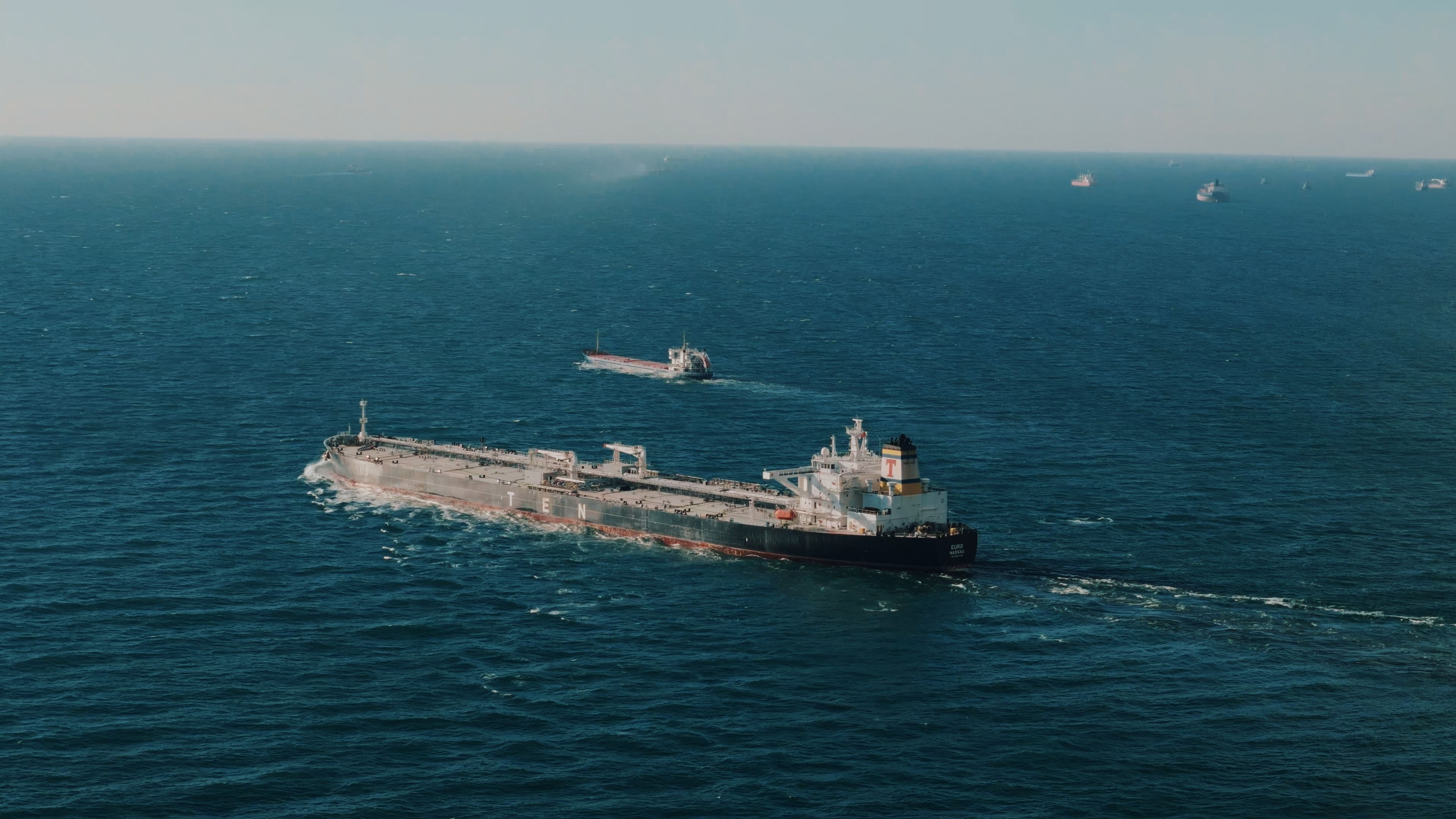
With Suezmax newbuilding investment running at its second-highest year-to-date level since 2015, MR orders equal to 20% of the existing fleet, and the Aframax/LR2 orderbook at 18%, tanker buyers are entering a market where the commercial decision is no longer simply “newbuild or secondhand.” The real tension is timing: modern secondhand tanker prices are carrying substantial premiums, older ships face rising chartering risk, and a large wave of new deliveries may eventually pressure earnings.
For global ship buyers considering China-based sourcing, the message from the current tanker cycle is clear: newbuild opportunities remain attractive, but they must be evaluated against delivery timing, specification discipline, financing exposure, and the possibility that today’s strong tanker market may look different when ordered tonnage enters service.
According to Gibson Shipbrokers, cited by Hellenic Shipping News Worldwide on 15 June 2026, tanker newbuilding investment has become one of the dominant features of 2026. The ordering momentum is strongest in larger crude tanker segments, but the strategic consequences extend across Suezmaxes, VLCCs, Aframax/LR2s, MRs, LR1/Panamaxes and smaller product tankers.
1. The Ordering Wave Is Concentrated in Larger Tankers
Gibson reports that the Suezmax segment has attracted “significant new investment,” although at a more measured pace than VLCCs. More than 60 Suezmax tankers have been ordered year to date, making 2026 the second-highest year for this segment since 2015 on a year-to-date basis. This follows several years of strong investment, leaving the Suezmax orderbook at 30% of the total existing fleet.
That 30% figure is commercially important because it measures future fleet supply against today’s nominal fleet. Gibson also notes that the ratio is “much higher” if dark or sanctioned ships are excluded from the calculation. In other words, the orderbook looks even larger when compared with the portion of the fleet that mainstream charterers are more likely to use.
The same pattern is visible, though less extreme, in other tanker classes. MR orders now account for 20% of the existing fleet, while the Aframax/LR2 orderbook stands at 18%. Handy and LR1/Panamax orderbooks remain notably lower, reflecting weaker investment in those segments over much of the past decade, with some exceptions during the 2023–2025 period.
For buyers looking at Chinese newbuilding options, this means the tanker market is not moving uniformly. A buyer considering a Suezmax or VLCC faces a different competitive landscape from one evaluating MR, LR2 or Handy tanker capacity. The first question should not be only “which yard can build?” but “which segment has the right balance between future supply, chartering demand and asset life?”
2. Why Owners Are Ordering: Ageing Fleet, Dark Fleet and Secondhand Premiums
Gibson identifies several fundamental reasons behind the rise in tanker newbuilding orders.![]()
-
The first is fleet age. More than 21% of the global fleet above 25,000 dwt is already 20 years old or older, while another 28% is in the 15–19 year age bracket. This creates a large replacement requirement, even before considering sanctions, trading restrictions or charterer preferences.

-
The second driver is the growth of the dark or sanctioned fleet. These vessels may still move cargo, but they are not always available to mainstream charterers, financiers, insurers or oil companies operating under stricter compliance frameworks. As a result, the “effective” supply of commercially acceptable tonnage can be tighter than the headline fleet size suggests.
-
The third factor is asset pricing. Gibson notes that modern secondhand tonnage is commanding substantial premiums. When resale prices are high, some owners decide that a newbuilding offers better long-term value, especially if they can secure a specification suited to future trading requirements.
This mechanism matters directly for buyers sourcing vessels in China. If a modern secondhand tanker is priced aggressively, a newbuild from a Chinese yard may become more competitive on a lifecycle basis, provided the buyer can accept the delivery schedule and manage construction risk. However, the comparison should include more than contract price. Buyers should also assess delivery timing, payment terms, refund guarantees, technical specification, fuel-efficiency expectations, class requirements, charterer acceptance and long-term resale value.
3. Demand Shifts Are Moving Cargo Back Toward Mainstream Tonnage
The tanker ordering wave is not only a supply-side story. Gibson also points to demand-side changes. Venezuela’s reset shifted demand into mainstream tonnage “overnight,” and Gibson suggests that a US-Iran deal could create a similar shift for Iranian crude.
The commercial mechanism is straightforward. When cargoes that were previously handled by restricted, sanctioned or opaque trading systems move back into mainstream trade, compliant tankers can see a sudden increase in demand. That benefits owners with modern, acceptable tonnage and supports the case for replacement investment.
At the same time, the source highlights uncertainty. The future balance will depend on geopolitical events, the evolution of tanker trade, and the pace at which ageing or dark/sanctioned vessels are removed from service. This is why buyers should avoid treating today’s ordering wave as a simple signal to follow the market blindly. It is a signal to run fleet scenarios.
For a China-focused buyer, those scenarios should include base, upside and downside cases. A base case may assume continued replacement of older ships. An upside case may include stronger mainstream demand if sanctioned cargoes return to compliant channels. A downside case should consider the possibility that heavy new deliveries eventually weaken earnings if demolition does not keep pace.

4. The Risk: Too Much Tonnage Arriving Before Old Ships Exit
Gibson’s warning is direct: “How much is too much?” The answer will depend on scrapping, restrictions and market timing. High earnings currently leave owners with little incentive to scrap older tankers. That means ageing vessels may remain active longer than expected, especially if freight markets stay strong.
But Gibson also notes that this can change. Older ships may eventually be shut out by chartering restrictions, or new deliveries may weigh on the market. When that point arrives, demolition capacity could face a serious test because of the sheer volume of ageing tonnage.
This is a key point for newbuilding buyers. Ordering during a strong market can be rational, particularly when the fleet is old and modern secondhand assets are expensive. But the commercial success of a newbuilding order depends on where the vessel enters the cycle. If delivery coincides with heavy fleet growth and delayed scrapping, freight earnings may be under pressure. If older and sanctioned tonnage exits faster, modern newbuilds may be well positioned.
For buyers negotiating with Chinese shipyards, this makes delivery timing and contract flexibility especially important. Buyers should carefully test whether the proposed delivery window aligns with their chartering strategy, financing plan and expected employment. A cheaper slot is not necessarily better if the vessel arrives at the wrong point in the market.
5. Implications for China-Based Vessel Sourcing
The Gibson data does not specify where the latest orders have been placed, but the implications are highly relevant for international buyers evaluating China-based maritime resources.
-
First, buyers should define the role of the tanker before selecting the asset route. A long-term fleet renewal programme may justify a newbuilding, especially where the buyer wants modern design, stronger charterer acceptance and a longer economic life. A shorter-term trading opportunity may still favour secondhand tonnage, but only if the price, condition and compliance profile are acceptable.
-
Second, buyers should compare newbuildings against modern secondhand vessels using total ownership cost rather than headline acquisition cost. Gibson’s observation that modern secondhand ships command substantial premiums strengthens the case for newbuild analysis. However, newbuildings require capital commitment, construction monitoring and patience before revenue begins.
-
Third, retrofit and conversion capability should be part of the screening process for older or mid-life vessels. If a buyer chooses a secondhand tanker, technical upgrades may be necessary to support charterability and operational efficiency. China-based repair and retrofit resources can be relevant to that evaluation, but the vessel’s age, class status, trading history and compliance profile must be reviewed carefully.
-
Fourth, buyers should be cautious in lower-orderbook segments as well as crowded ones. Handy and LR1/Panamax orderbooks are lower, but Gibson notes that investment has also been limited in these segments for much of the past decade. Lower new supply can support asset values if demand holds, but limited ordering may also reflect weaker investor confidence or more selective employment prospects. Segment-specific due diligence remains essential.

Conclusion: Newbuild Momentum Creates Opportunity, but Timing Is the Real Asset
The 2026 tanker newbuilding surge reflects real market drivers: an ageing fleet, the expansion of dark and sanctioned tonnage, strong tanker earnings, high premiums for modern secondhand vessels and shifting crude trade patterns linked to Venezuela and potentially Iran. For ship buyers sourcing in China, this creates a window to evaluate newbuilding projects, fleet-renewal strategies, secondhand purchases and retrofit options with greater urgency.
The opportunity is not simply to order because others are ordering. The opportunity is to secure the right vessel type, at the right yard, with the right delivery window and specification, before market conditions change. In a cycle where Suezmax, VLCC, MR and Aframax/LR2 investment is already substantial, disciplined sourcing will matter as much as market confidence.
For global buyers, VesselsLink’s China-based vessel sourcing perspective is to treat the current tanker wave as a strategic procurement moment: compare newbuilds with modern secondhand alternatives, evaluate retrofit-ready candidates, confirm yard capability and delivery schedules, and align the asset decision with realistic employment and financing assumptions.
( Keywords: 2026 tanker newbuilding market, suezmax newbuilding orders, VLCC fleet renewal, Aframax LR2 tanker orderbook, MR tanker newbuild demand, secondhand tanker premium price, ageing tanker fleet replacement, dark fleet shipping impact, sanctioned tanker tonnage, China tanker newbuilding sourcing, tanker market cycle analysis, tanker delivery timing risk, maritime asset inves)